Jesus Turns Water to Wine: Close Up Design Review
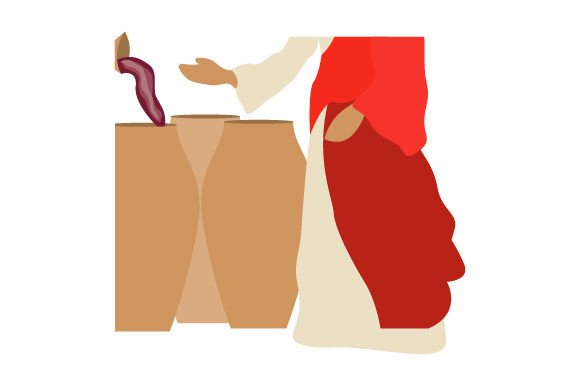
When evaluating religious artwork for embroidery, the difference between a generic graphic and a meaningful finished product often lies in the intimacy of the composition. As a designer who regularly sources assets for custom apparel and boutique merchandise, I approach Jesus Turns Water to Wine, Close Up with a specific set of criteria. This is not merely an illustration; it is a narrative moment captured in a tight frame. For crafters, Etsy sellers, and ministry leaders, this close-up perspective offers distinct advantages over wider scenic depictions, particularly when translating digital art into tangible textiles.
The immediate visual impact of this design is its focus. By cropping tightly on the miracle itself, the artwork eliminates background noise and centers the viewer’s attention on the transformation. In my experience reviewing machine embroidery design files for commercial use, this level of intentionality is crucial. It suggests that the digitizer or illustrator understood that embroidery requires clarity over complexity. The mood is reverent yet dynamic, making it suitable for both solemn religious observances and celebratory crafts. Whether you are creating a personalized gift for a baptism or stocking a small shop product line for a church fundraiser, this composition holds its own without needing excessive embellishment.
Real-World Application: Stitching for Ministry and Market
I recently evaluated this design while preparing a prototype for a premium canvas tote bag intended as a wedding favor. Wedding gifts occupy a unique space in the handmade product market; they must be durable, aesthetically pleasing, and spiritually significant without feeling kitschy. Jesus Turns Water to Wine, Close Up proved ideal for this application because the close framing allows for a larger stitch area relative to the hoop size. On a tote bag design, where fabric texture can sometimes obscure fine lines, the boldness of a close-up ensures the subject remains legible from a distance.
For sweatshirt embroidery, this layout performs exceptionally well on the left chest or centered back placement. The compact nature of the close-up means you do not need an industrial-sized hoop to achieve high detail. During my assessment, I considered how this would translate to holiday embroidery projects. The theme naturally aligns with communion services, anniversary celebrations, and wine-themed charity events. For an Etsy seller specializing in Christian apparel, this versatility increases the return on investment for the digital embroidery file. It bridges the gap between niche religious goods and broader lifestyle aesthetics, allowing for cross-category listing optimization.
However, practical judgment is required when applying this to baby embroidery items. While the theme is appropriate for christenings, the close-up detail may contain elements that are too intricate for tiny garments like onesies. In such cases, I recommend using the provided SVG or EPS formats to scale the design down carefully, checking that critical facial expressions or hand gestures do not become lost blobs of thread. Always verify the minimum recommended size before committing to a production run for infant wear.
Navigating Fabric Texture and Technical Constraints
A beautiful screen image does not always guarantee a clean stitch-out. When working with Jesus Turns Water to Wine, Close Up, fabric texture becomes your primary variable. Because this is a detailed artistic rendering rather than a simple logo, it demands a stable foundation. If you are stitching on stretchy knits for custom apparel, a cut-away stabilizer is non-negotiable to prevent puckering around dense fill stitch areas. For tea towels or linen napkins, which are popular in the Crafts category, a tear-away or wash-away stabilizer may suffice, but only if the weave is tight enough to support the stitch density.
Color contrast is another critical factor. Religious art often utilizes subtle shading to convey depth and emotion. If you are stitching this on dark fabric, ensure your thread colors have sufficient luminance to distinguish the figure from the background. I strongly advise testing the design on scrap fabric first, specifically using the exact material intended for the finished product. A printable mockup is excellent for client approval, but it cannot predict how satin stitch borders will interact with terry cloth or how running stitch details will sink into fleece.
Be cautious with curved surfaces. While this design works beautifully on flat items like pillow covers or patches, placing a detailed close-up on a structured cap can distort the proportions. The curvature of a hat brim compresses the vertical axis, potentially squashing the intimate perspective that makes this design special. If headwear is your goal, consider using the DXF or SVG files to adjust the aspect ratio slightly before digitizing, or reserve this specific artwork for flat embroidery projects where the integrity of the image is preserved.
Elevating Perceived Value Through Design Integrity
In the competitive landscape of digital product sellers and handmade shops, professionalism builds trust. Using high-quality source files like the Transparent PNG and EPS included with Jesus Turns Water to Wine, Close Up signals to customers that you care about the final output. Blurry edges or pixelated transfers degrade the perceived value of a personalized gift. By utilizing vector-based formats for resizing or high-resolution transparent backgrounds for sublimation and mockups, you maintain crisp lines that reflect well on your brand consistency.
This attention to technical quality directly influences buyer engagement. Customers shopping for religious items are often seeking something that feels heirloom-quality rather than mass-produced. The close-up composition inherently feels more bespoke and less clip-art-like. When photographing your finished products for listings, highlight the texture of the stitches and the emotional resonance of the scene. Show the design in context—on a draped towel, worn on a sweatshirt, or displayed in a nursery. This helps potential buyers visualize the item in their own lives and reinforces the craftsmanship behind the commercial embroidery project.
Essential Pre-Production Checklist for Makers
Before you load this design into your machine or list it in your shop, run through these practical verification steps to ensure success:
- Verify Licensing Terms: Confirm whether your purchase includes commercial rights for selling finished physical products versus digital redistribution. Never assume usage rights; check the specific license provided with the download.
- Test Stitch Density: Run a sample on scrap fabric to check for thread breaks or excessive stiffness. Adjust density settings in your software if the design feels too heavy for lightweight fabrics.
- Check Thread Color Contrast: Evaluate visibility on both light and dark backgrounds. You may need to add an underlay or outline to make details pop on darker textiles.
- Confirm Hoop Size Compatibility: Ensure the design dimensions fit within your machine’s maximum embroidery area without requiring re-hooping, which can misalign detailed artwork.
- Inspect Small Details: Zoom in on the digital file to identify any elements smaller than 2mm. These may need to be simplified or removed to prevent needle damage or poor stitch formation.
- Create Accurate Mockups: Use the Transparent PNG to create realistic previews for your Etsy listings. Avoid stretching or distorting the image, as this sets false expectations for the buyer.
- Validate File Formats: Ensure you have the correct file type for your specific workflow. Use SVG/EPS for editing and scaling, DXF for cutting machines (if applicable), and PNG for print or web visualization.
Ultimately, Jesus Turns Water to Wine, Close Up is a versatile asset for the serious maker. Its strength lies in its focused narrative and adaptability across various mediums, from sacred vestments to everyday carry goods. By approaching this design with technical diligence and creative respect, you transform a digital file into a meaningful object that resonates with faith and craftsmanship. Whether you are a hobbyist exploring religious themes or a business owner expanding your catalog, this design offers a solid foundation for quality embroidery work that honors both the subject matter and the medium.