Jesus Christ Teaching Children: A Designer’s Review
When evaluating a new machine embroidery design for my shop, I look beyond the digital preview to imagine how the artwork will actually live on fabric. The Jesus Christ Teaching Children design immediately caught my attention as a staple for religious crafts and personalized gifts. As an experienced designer and product reviewer, I approach this file not just as digital art, but as a functional component of a finished product. Whether you are an Etsy seller, a boutique owner, or a hobbyist creating Sunday School gifts, understanding the practical behavior of this design is essential before you thread your needle.
First Impressions and Visual Mood
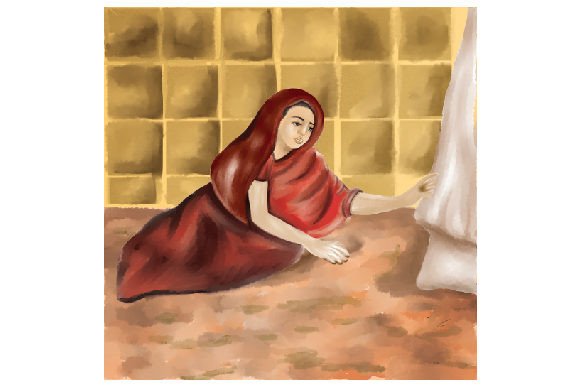
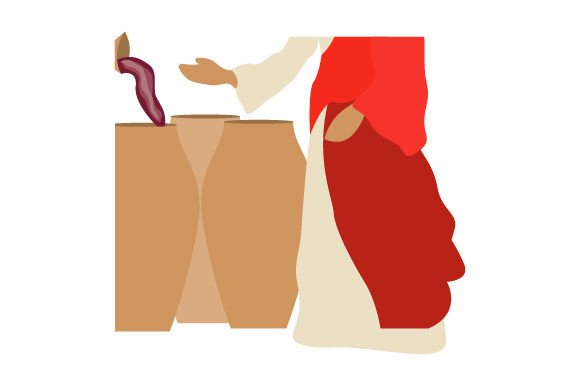
My initial assessment of Jesus Christ Teaching Children focuses on its emotional resonance and compositional balance. In the Religious category, imagery needs to strike a delicate balance between reverence and approachability. This design succeeds by capturing a gentle, narrative moment rather than a static icon. The layout suggests a scene of interaction, which implies that the stitch paths must flow organically to depict movement and connection.
For a crafter or small business owner, this visual personality dictates where the design belongs. It does not feel appropriate for high-contrast streetwear or aggressive branding. Instead, it naturally aligns with soft goods, nursery decor, and commemorative items. The mood is tender and educational, making it ideal for baby embroidery projects, children’s ministry apparel, or family heirloom quilts. When I review a design like this, I am looking for clean lines in the SVG and EPS files that translate into smooth satin stitches and well-defined fill areas without excessive complexity that could muddy the image on fabric.
Real-World Application: Stitching a Custom Tote Bag
To truly evaluate performance, I mentally place Jesus Christ Teaching Children into a specific production scenario. Recently, I prepared a custom embroidered tote bag for a church fundraiser. Canvas totes are excellent for testing because they provide a stable base but have enough texture to challenge fine details. For this project, the goal was to create a reusable bag that parents would actually want to carry to vacation bible school or Sunday service.
In this real-life application, the design served as the centerpiece. Because tote bags are often viewed from a distance or while in motion, the silhouette of Jesus and the children needed to remain distinct even if the viewer wasn't inches away. I considered how the transparent PNG version could be used to create a printable mockup for the fundraising committee before committing to stitching. Seeing the design superimposed on the bag digitally helped confirm that the scale was appropriate. When stitched out, the interplay of thread colors against the natural canvas created a warm, handmade aesthetic that mass-produced screen printing simply cannot replicate. This specific use case highlighted the design's strength as a community-focused asset rather than just a decorative element.
Performance Across Different Substrates
A versatile embroidery file must perform well across various materials. Jesus Christ Teaching Children shows promise for multiple applications, but success depends on matching the design to the right substrate.
- Sweatshirt Embroidery: Fleece and French terry fabrics are popular for religious apparel. However, these fabrics can swallow detail. If using this design on a sweatshirt, ensure the stitch density is sufficient to prevent the fabric texture from showing through the fill stitches. You may need to add a topping stabilizer to keep the design crisp.
- Baby Clothes and Blankets: Softness is non-negotiable here. Evaluate whether the design uses heavy backing or dense satin stitch columns that could irritate sensitive skin. For baby embroidery, you might consider reducing the density or using a tear-away stabilizer to maintain flexibility.
- Kitchen Towels and Linens: These items face frequent washing. The design must be durable. Check that the running stitches outlining figures are secure and that color transitions won't bleed or pucker after laundering. High-quality rayon or polyester thread colors are essential here for longevity.
- Embroidered Patches: If adapting this design for patches, verify that the border definition is strong enough to support a merrowed edge or heat-seal backing without losing internal detail.
Navigating Technical Limitations and Fabric Challenges
Even beautiful designs have limitations. When working with Jesus Christ Teaching Children, there are specific scenarios where caution is required. Small hoop sizes are the most significant constraint. Religious scenes often contain intricate facial expressions and hand gestures that define the narrative. Compressing this design into a 4x4 hoop risks turning expressive features into indistinguishable blobs. Always check the minimum recommended size in your embroidery software before resizing down.
Textured fabrics like terry cloth or waffle knit also present challenges. The organic shapes in this teaching scene require smooth transitions. On highly textured surfaces, those transitions can get lost. Using a water-soluble topping is mandatory in these cases to create a smooth surface for the needle. Additionally, be wary of stretchy knits. Without proper cut-away stabilizer and potentially a fusible backing, the weight of the stitch count could distort the garment, causing the image of Christ and the children to sag or pull unevenly.
Dark fabrics require another layer of consideration. If the design relies on light-colored fills to define the figures, you must ensure adequate underlay. Without it, the dark fabric grain will show through the stitches, diminishing the visual impact and professionalism of the finished product.
Commercial Value and Brand Consistency
For Etsy sellers and creative entrepreneurs, Jesus Christ Teaching Children represents more than a single project; it is a potential pillar in a product line. The inclusion of SVG, DXF, EPS, and Transparent PNG formats adds significant commercial value. The vector formats allow for scalable vinyl cutting or sublimation, enabling you to offer matching non-embroidered items like stickers or printed mugs alongside your embroidered goods.
From a buyer engagement perspective, this design taps into a specific niche of faith-based gifting. Customers seeking religious crafts are often looking for items that feel intentional and respectful. A well-executed stitch-out of this design signals quality and care. However, brand consistency matters. If your shop specializes in modern minimalist aesthetics, ensure this traditional depiction aligns with your existing catalog. Conversely, if your brand focuses on vintage or heritage styles, this design likely integrates seamlessly.
Always verify licensing before listing finished products. Confirm whether the digital embroidery file allows for commercial sale of physical items versus digital redistribution. Protecting your business means respecting the intellectual property rights associated with the design assets.
Essential Pre-Stitch Checklist for Makers
Before launching Jesus Christ Teaching Children into production, run through this practical checklist to ensure professional results:
- Test on Scrap Fabric: Never stitch directly on a final product without a test run. Use a scrap of the exact material and stabilizer combination you plan to use.
- Verify Thread Colors: Compare your physical thread chart against the digital color sheet. Screen brightness varies; trust your eyes and physical samples for accurate skin tones and robe shading.
- Inspect Stitch Density: Open the file in your editing software. Look for areas where satin stitches might be too wide or fill stitches too sparse. Adjust as necessary for your specific fabric type.
- Check Hoop Compatibility: Ensure the design fits your machine’s maximum field with adequate margin for hooping. Do not rely solely on the file name for sizing.
- Mockup Validation: Use the transparent PNG to create realistic previews for listings. This helps manage customer expectations regarding size and placement.
- Stabilizer Selection: Match the stabilizer weight to the design density and fabric drape. Over-stabilizing makes garments stiff; under-stabilizing causes puckering.
Ultimately, Jesus Christ Teaching Children offers a meaningful opportunity for makers to create impactful religious crafts. By approaching this design with a critical eye toward technical execution and end-use application, you transform a simple digital file into a cherished handmade product. Whether destined for a toddler’s Sunday dress or a charitable tote bag, the success lies in the thoughtful intersection of artistic intent and embroidery expertise.