God, Bless This Mess: An Embroidery Design Review
As a professional embroidery designer and product reviewer, I approach every new digital asset with a critical eye. When evaluating God, Bless This Mess, my primary concern is not just the aesthetic appeal on a screen, but how this Christian design translates into physical stitches on fabric. In the world of crafts and graphics, there is often a disconnect between a high-resolution digital file and a successful finished product. This review breaks down the practical realities of using this specific machine embroidery design for real-world projects, from custom apparel to small shop merchandise.
First Impressions and Visual Personality
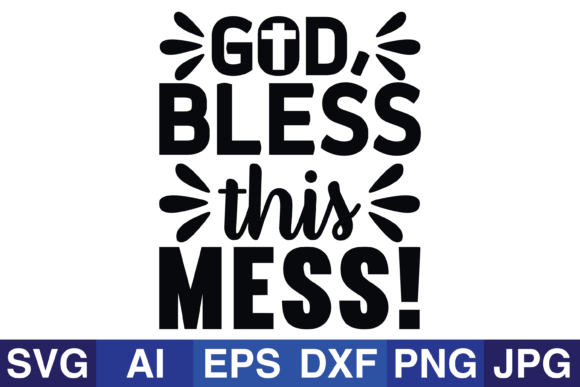
The phrase "God, bless this mess" carries a distinct mood that resonates deeply with modern parents, busy households, and anyone embracing imperfection. Visually, this design balances humor with faith, making it an excellent candidate for personalized gifts and relatable boutique products. Upon reviewing the source files, including the 4500×5400 pixel PNG and SVG cut files, the artwork presents clean lines suitable for digitizing. However, as an experienced maker knows, a high-resolution JPEG at 300 dpi does not automatically guarantee a smooth stitch-out. The visual personality here suggests a rustic, farmhouse, or modern minimalist vibe, depending entirely on your thread color choices and fabric selection.
For Etsy sellers and creative entrepreneurs, this theme is a proven seller because it validates the chaos of daily life while offering spiritual comfort. It avoids being overly pious, which broadens its marketability for holiday embroidery, baby showers, and housewarming gifts. The layout typically allows for versatile placement, whether centered on a sweatshirt or tucked into the corner of a tea towel.
Real-World Application: Stitching a Custom Tote Bag
To truly evaluate this embroidery file, I mentally walked through a recent client project involving a heavy canvas tote bag. A tote bag design requires durability and readability from a distance. When applying God, Bless This Mess to this substrate, the interaction between the stitch density and the fabric texture becomes paramount. Canvas is unforgiving; if the fill stitch is too dense, the needle perforations can weaken the fabric or cause tunneling. If it is too loose, the rough texture of the canvas will poke through, making the lettering look muddy.
In this scenario, I would recommend adjusting the underlay to provide a stable foundation without adding unnecessary bulk. For the lettering, a satin stitch offers a classic, raised look that catches the light beautifully on matte canvas. However, if the font in this specific design features intricate serifs or varying widths, you must verify that the smallest elements are wide enough to prevent thread breaks during production. This level of scrutiny ensures that the handmade product maintains a professional standard that builds customer trust. A messy stitch-out on a bag meant to celebrate a "mess" is ironic, but not in a way that encourages repeat business.
Navigating Fabric Challenges and Hoop Sizes
While this design shines on stable fabrics like denim, canvas, and twill, it requires careful handling on more difficult materials. As an apparel decorator, I have found that religious text designs often end up on baby clothes and stretchy knits. Here, caution is necessary. Stretchy fabrics demand a cut-away stabilizer to prevent distortion. If God, Bless This Mess contains large blocks of fill stitch, the weight of the thread could drag down lightweight jersey, causing the garment to sag.
Furthermore, consider the hoop size limitations. The provided resolution suggests a large format graphic, but you must confirm the actual digitized dimensions before purchasing. If you intend to use this for cap embroidery or small patches, the design may need significant resizing. Reducing a complex design by more than 20% can compromise stitch clarity, turning readable text into illegible blobs. Always check whether the embroidery file includes multiple sizes or if you possess the editing software required to resize safely. For dark fabrics, ensure the design includes adequate contrast or a white underlay base; otherwise, vibrant thread colors may get lost against black or navy backgrounds.
Commercial Viability for Small Business Owners
For those running a craft business or selling on platforms like Etsy, God, Bless This Mess offers strong commercial potential, provided you respect licensing terms. Before listing any finished product or digital embroidery file, verify that your purchase includes commercial rights. Assuming proper licensing, this design is ideal for creating cohesive collections. Pairing this graphic with matching nursery decor or kitchen textiles can increase average order value through bundling.
When creating printable mockups for your shop, utilize the high-resolution transparent PNG included in the package. This allows you to overlay the design onto realistic garment templates without pixelation. High-quality visuals are essential for buyer engagement. Customers need to see how the design sits on a sweatshirt or apron before they commit. Additionally, because this falls under the category of Christian Designs, accuracy is non-negotiable. Double-check spelling and spacing in your test runs. A typo in a faith-based message can damage your brand’s reputation instantly.
Essential Designer Notes for Success
Based on my experience reviewing similar graphics and embroidery projects, here are practical steps to ensure success with God, Bless This Mess:
- Test on Scrap Fabric First: Never run a new design directly on a final product. Test stitch density and thread tension on a scrap piece of the exact fabric you plan to use.
- Verify Stabilizer Choice: Match your stabilizer to the fabric weight. Use tear-away for stable woven fabrics and cut-away for knits or stretchy materials to maintain registration.
- Check Thread Color Contrast: View your thread palette in natural lighting. What looks good on a monitor may lack definition when stitched. Ensure the text stands out clearly against the chosen background.
- Inspect Small Details: If the design includes decorative flourishes or tiny accents, measure them physically after a test run. Elements under 1mm may require removal or simplification to avoid bird-nesting.
- Confirm Licensing: Explicitly check the terms regarding commercial embroidery and digital resale. Protect your business by adhering strictly to the creator's guidelines.
- Evaluate Washability: If creating items like tea towels or baby bibs that require frequent laundering, ensure the stitch type is durable. Satin stitches should be secured properly to prevent fraying over time.
Final Thoughts on Value and Presentation
Ultimately, God, Bless This Mess is a versatile asset for makers who understand the technical side of embroidery. Its strength lies in its emotional connection with the end user, but its success depends entirely on your execution. Whether you are producing custom apparel for a church event, stocking your Etsy shop with relatable mom-life gear, or creating a heartfelt personalized gift, treat this design with professional respect.
The inclusion of source files and high-resolution assets provides a solid foundation, but the magic happens in the hooping and stitching. By paying attention to fabric texture, stabilizer selection, and stitch density, you transform a digital graphic into a cherished handmade product. Remember that in the competitive landscape of embroidery design and crafts, quality is what separates hobbyists from trusted brands. Take the time to test, adjust, and perfect your application of this design, and it will serve as a valuable addition to your creative repertoire.