Yahweh Sabaoth Hebrew Graphics & Illustrations
First Impressions: Evaluating the Handlettered Aesthetic
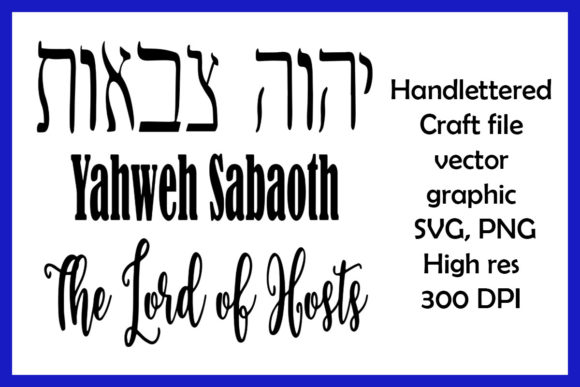
When sourcing typography for a faith-based client project, the line between authentic reverence and generic clipart is incredibly thin. My current project involves developing a brand identity and packaging suite for a boutique ministry resource shop that specializes in high-quality prayer journals and study guides. The client specifically requested visuals that honor the Hebrew roots of their faith while maintaining a modern, accessible aesthetic for a contemporary Christian audience. Upon reviewing Yahweh Sabaoth the Lord of Hosts Hebrew, my immediate assessment focuses on the integrity of the handlettering. This is not a standard system font; it carries the organic imperfections and deliberate strokes of calligraphy, which immediately signals craftsmanship rather than automated generation.
The visual mood created by this graphic design asset is one of solemnity mixed with artistic warmth. For a designer, this balance is critical. We are often tasked with creating marketing visuals that feel spiritual without appearing archaic or inaccessible. The letterforms in this illustration possess enough weight to serve as a focal point on a book cover or wall art print, yet they retain an elegance that prevents them from feeling heavy or aggressive. As a digital product, it bridges the gap between traditional religious iconography and the clean, curated look demanded by today’s handmade business owners and content creators.
Application in Brand Identity and Packaging Design
In the context of my current client work, I am testing this asset across multiple touchpoints to determine its versatility. For brand identity purposes, this specific rendering of Yahweh Sabaoth functions best as a secondary logo mark or a signature element rather than a primary logotype. The intricate nature of the Hebrew characters means it carries significant visual weight. When placed on product packaging, such as a matte-finish journal cover or a textured candle label, it acts as an anchor. It tells the consumer immediately that this product is rooted in scripture and tradition.
For packaging design, the inclusion of both SVG and PNG formats is non-negotiable. I utilized the vector file to scale the artwork for a large-format banner for a church conference without any pixelation, while the transparent PNG was essential for overlaying onto complex background textures in the product mockup phase. This flexibility makes it a viable candidate for print-on-demand sellers who need a single asset that performs equally well on a 4x6 sticker and an 18x24 poster. However, designers must be mindful of spacing. Because this is handlettered illustration, the kerning is fixed. You cannot adjust the space between letters as you would with live text, so it requires careful placement within the layout to ensure it breathes properly alongside English typography.
Performance in Digital Media and Social Content
Moving beyond physical goods, I evaluated how Yahweh Sabaoth the Lord of Hosts Hebrew translates to screen-based media. In social media graphics, particularly Instagram carousels and Pinterest pins, readability at small sizes is the primary stress test. This asset succeeds when used as a headline element against a solid or low-contrast background. It fails, however, when shrunk down to caption size or placed over busy photography. For Canva template creators, this graphic serves as an excellent pre-made header for devotional posts or scripture cards, saving hours of custom lettering time.
For bloggers and publishers focusing on Jewish and Christian topics, this asset adds a layer of editorial design sophistication that standard fonts cannot achieve. It works exceptionally well in hero sections of websites or as a decorative drop cap alternative in digital publications. However, I advise against using it for navigation menus or body copy. Its role is strictly decorative and emphatic. When used correctly in web design, it enhances the emotional appeal of the page, signaling to the visitor that the content is deeply considered and culturally respectful.
Crafting and Merchandise: Cricut and Sublimation Viability
A significant portion of my client base includes makers who utilize cutting machines and heat presses. For Cricut project users, the quality of the SVG paths in this design bundle is paramount. I inspected the vector nodes and found them to be relatively clean, which reduces the risk of jagged cuts on vinyl or cardstock. This makes it suitable for sticker design, tote bags, and t-shirt designs where smooth edges are necessary for professional results. For sublimation design, the high-resolution PNG ensures that the ink transfer remains crisp on polyester fabrics and ceramic mugs.
However, crafters should note that intricate Hebrew calligraphy can sometimes present weeding challenges if cut too small. I recommend testing this SVG design at various scales before committing to a bulk production run. For those selling on Etsy or other creative marketplaces, this asset offers a unique selling proposition because it moves away from the oversaturated English-only religious decor market. It allows sellers to create niche, bilingual, or Hebraic-rooted products that stand out in a crowded commercial design landscape.
Strategic Placement and Visual Hierarchy Considerations
Knowing where not to use a graphic is just as important as knowing where to use it. Yahweh Sabaoth the Lord of Hosts Hebrew demands negative space. It should never be crowded by other ornate elements, busy patterns, or competing script fonts. In terms of visual hierarchy, this asset is a "shouter." If your design already has a bold English headline, adding this Hebrew lettering may create visual conflict. It works best when paired with simple sans-serif or minimalist serif typefaces that allow the handlettering to take center stage.
I would exercise extreme caution when using this for corporate or institutional branding that requires a sterile, ultra-modern look. The organic nature of the strokes implies humanity and tradition, which may clash with tech-forward or highly clinical aesthetics. Furthermore, for small business branding targeting a secular audience, ensure the context is appropriate. While beautiful, it is explicitly religious. Its power lies in its specificity; diluting it by placing it in an irrelevant context diminishes both the design and the message.
Technical Due Diligence and Commercial Licensing
Before integrating this into any paid client deliverable, professional due diligence is required. Always verify the commercial license terms included with the download. Some licenses cover digital use but restrict physical product sales, or require attribution. As a designer protecting my client's liability, I confirm these details before a single pixel is placed. Additionally, always test the PNG design transparency. Occasionally, files have residual white halos that look unprofessional on dark backgrounds. A quick check in Photoshop or Canva can save a reprint cost later.
Finally, consider accessibility. When using this clipart in web or digital PDF designs, always include alt text that describes the image and provides the transliteration and translation. Not all users read Hebrew, and screen readers cannot interpret rasterized or vectorized text. By treating Yahweh Sabaoth the Lord of Hosts Hebrew with technical respect and cultural awareness, we elevate it from a simple decoration to a meaningful component of modern design. Whether you are creating a printable design for personal study or a commercial product line, this asset offers a profound opportunity to connect visually with a rich heritage, provided it is applied with intentionality and skill.