Sometimes God Doesn’t Change Your Situat: Design Review
First Impressions: Evaluating the Visual Weight and Mood
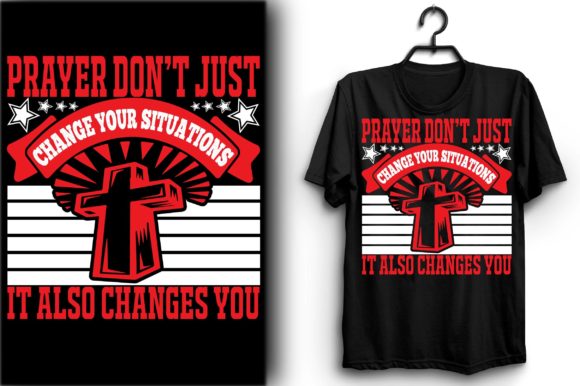
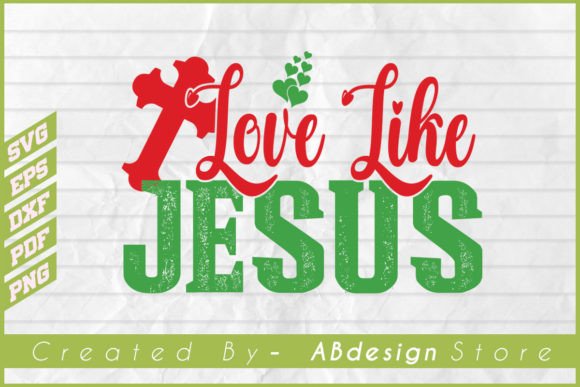
When I first opened the files for Sometimes God Doesn’t Change Your Situat, I wasn't just looking at a graphic; I was assessing how this message would translate from screen to fabric. As an experienced designer, my immediate focus is always on the balance between typography and emotional resonance. This design carries a heavy, contemplative weight. It isn't a bubbly, lighthearted quote; it is a statement of endurance. Visually, the layout suggests a need for stability. The lettering appears grounded, which is exactly what you want when stitching faith-based apparel. However, because this bundle is categorized under Print Templates and Graphics, my first step as an embroiderer was to determine if the vector lines were clean enough for digitizing or if they were merely raster images disguised as vectors.
The mood this design creates is one of solemn comfort. For a machine embroidery design, this means avoiding overly decorative or whimsical fonts that might undermine the seriousness of the text. The shape and layout feel best suited for center-chest placement on adult apparel rather than scattered elements on baby items. When evaluating the visual personality, I noticed that the negative space is just as important as the text itself. In embroidery, negative space is where your stabilizer and fabric texture do the heavy lifting. If the design is too dense, it will pucker; if it is too sparse, it may look unfinished on textured fabrics like fleece or terry cloth.
Real-World Application: Stitching a Comfort Sweatshirt
To truly test the viability of Sometimes God Doesn’t Change Your Situat, I approached it with a specific project in mind: a custom embroidered sweatshirt intended as a personalized gift for someone navigating grief. This is a common request for Etsy sellers and small shop owners, so getting the execution right is critical for customer trust. I chose a heavyweight cotton-blend fleece, knowing that the fabric texture would interact significantly with the stitch type.
For this sweatshirt embroidery project, I had to decide between a satin stitch and a fill stitch for the lettering. Given the likely thickness of the garment, a satin stitch can sometimes sink into the pile, making the text hard to read. I opted for a column stitch with slightly increased width to ensure legibility. The result was a tactile, raised effect that felt substantial against the soft fleece. This real-life scenario highlighted that while the original file might be optimized for print or paper crafts, adapting it for thread requires respecting the physical limitations of the medium. The finished product felt high-value and respectful, proving that with the right adjustments, this digital asset translates beautifully into commercial embroidery work.
Where This Design Shines in Production
Through testing and experience, I have found that Sometimes God Doesn’t Change Your Situat performs exceptionally well in specific categories. Understanding where to apply this design prevents wasted materials and ensures buyer engagement.
- Custom Apparel and Sweatshirts: The primary strength of this design lies in adult-sized garments. The message resonates deeply on hoodies and crewnecks where there is ample flat space for clear stitching.
- Tote Bag Designs: Canvas tote bags provide a stable, non-stretchy surface that is ideal for maintaining the integrity of the lettering. This makes it a safe choice for beginners or those testing new digitizing parameters.
- Patches and Caps: While challenging, this design can work for embroidered patches if simplified. For caps, however, caution is required due to the curved surface and limited vertical hoop size.
- Holiday and Sympathy Gifts: Beyond standard merchandise, this design serves as a powerful element for sympathy cards or memorial blankets, adding significant emotional value to handmade products.
Critical Caution Areas for Embroiderers
Despite its versatility, Sometimes God Doesn’t Change Your Situat demands careful handling in certain contexts. As a reviewer, I must highlight where this design could fail without proper preparation.
- Small Hoop Sizes: Do not attempt to shrink this design below its recommended minimum size. Tiny lettering in complex phrases leads to thread breaks and illegible text. Always verify your hoop size before committing to a run.
- Stretchy and Thin Fabrics: On lightweight knits or performance wear, the stitch density can cause severe puckering. You must use an appropriate cut-away stabilizer and potentially a topping to prevent stitches from sinking.
- Dark Fabric Contrast: This design relies heavily on line clarity. On dark fabrics, ensure your thread colors offer maximum contrast. A black or navy thread on charcoal fabric will disappear, ruining the visual appeal.
- Frequent Washing: If using this for tea towels or baby clothes, ensure the stitch type is durable. Long satin stitches may snag in the wash. Consider converting long spans to fill stitches for longevity.
Technical Notes for Professional Results
As a creative entrepreneur or apparel decorator, your reputation hinges on the quality of your finished product. Before listing items featuring Sometimes God Doesn’t Change Your Situat in your Etsy shop or boutique, adhere to these practical designer notes. First, always test the design on scrap fabric that matches your final project. Digital mockups are useful for sales, but they cannot predict how thread tension interacts with specific fabric textures. Check your stitch density; if the design was originally a print template, it lacks inherent stitch data and must be properly digitized. Never assume a vector file is stitch-ready without verification.
Review the licensing terms included with the bundle. While the description mentions formats like SVG, DXF, EPS, PNG, and AI for paper crafts and invitations, you must confirm whether commercial embroidery rights are granted for selling finished goods versus digital files. Brand consistency is key; ensure the style of this design aligns with your existing shop aesthetic. Finally, inspect small details closely. Serifs and thin connecting lines often get lost in translation from graphics to embroidery. Simplifying these elements during the digitizing phase preserves readability and professionalism.
Impact on Value and Customer Connection
Ultimately, the success of Sometimes God Doesn’t Change Your Situat in an embroidery business comes down to perceived value and emotional connection. When executed correctly, this design elevates a basic garment into a meaningful keepsake. Customers seeking faith-based items are often looking for comfort and validation, not just decoration. A clean, professional stitch-out signals that you respect both the craft and the message. Poor execution, conversely, can make a profound sentiment feel cheap.
By treating this design with the technical rigor it deserves—testing stabilizers, adjusting densities, and respecting fabric limitations—you protect your brand's integrity. Whether you are creating a holiday gift, a boutique product, or a digital embroidery file for other makers, the attention to detail transforms a simple graphic into a trusted resource. Remember that in the world of handmade and personalized gifts, clarity equals care. Take the time to understand the nuances of this design, and it will serve as a reliable staple in your collection of Christian-themed embroidery assets.