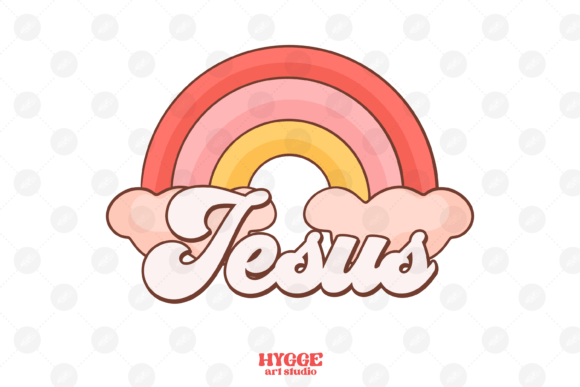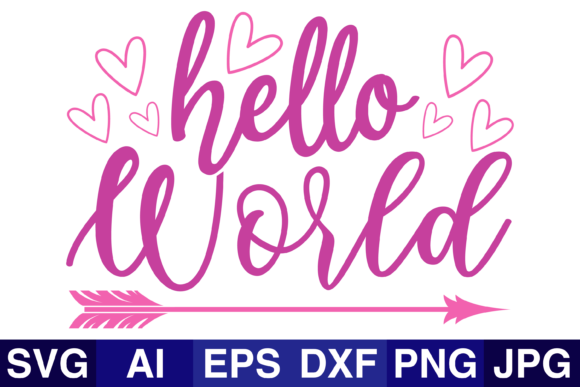
Hello_world Graphics for Christian Crafts
First Impressions: Evaluating Hello_world for Commercial Use
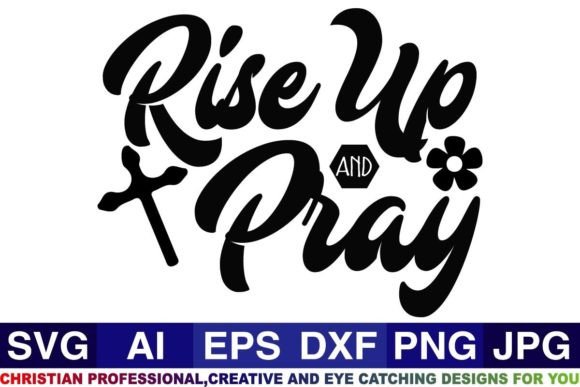
When sourcing new assets for a digital product shop, the first impression determines whether a file becomes a bestseller or sits dormant in a hard drive. Upon reviewing Hello_world, the immediate takeaway is its distinct positioning within the faith-based niche. The description hints at a collection focused on Jesus Christ and biblical themes, aiming for professional and eye-catching aesthetics. For sellers in the Crafts category, this specific focus is valuable because religious merchandise maintains consistent demand year-round, unlike seasonal trends that fade quickly.
The visual personality of this graphic design asset appears tailored for buyers seeking respectful yet modern religious expression. It avoids looking dated, which is a common pitfall in Christian merchandise. Instead, it leans toward a clean, commercial aesthetic suitable for both traditional church groups and contemporary faith-based lifestyle brands. As a digital seller, I look for versatility. Does this asset feel playful enough for youth ministry events but elegant enough for adult Bible study journals? Based on the "professional" descriptor, Hello_world seems to strike a balance that allows for cross-demographic selling, making it a safer investment for shops with diverse customer bases.
Real-World Application: From Digital Download to Physical Merchandise
In a real shop scenario, I would not list Hello_world as a standalone file without testing its application across multiple product types. A successful Etsy or Creative Fabrica shop maximizes revenue by repurposing a single high-quality asset into various formats. Here is how I would deploy this graphics package in a live store environment:
- SVG Design for Cricut Projects: Faith-based quotes and symbols are top sellers in the vinyl community. I would test the cut lines of Hello_world to ensure intricate details do not tear when weeding. If the vector paths are clean, this becomes an instant t-shirt design or car decal product.
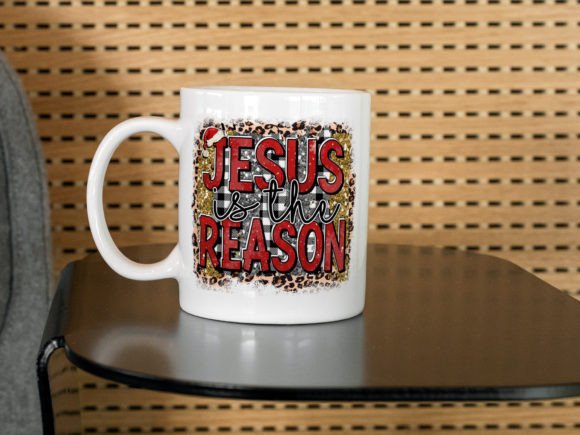
- Sublimation Design for Drinkware: Mug designs and tumbler wraps require high-resolution raster files. I would use the PNG version of this asset to create 20oz skinny tumbler templates. The key here is checking edge clarity; blurry edges ruin perceived value in sublimation printing.
- Printable Wall Art: Biblical typography sells exceptionally well as instant download decor. I would incorporate Hello_world elements into minimalist gallery wall sets. Pairing these graphics with neutral backgrounds creates a premium look that justifies a higher price point than standard clipart.
- Canva Template Integration: Modern creators want editable assets. I would import these graphics into Canva to build social media templates for churches or Christian influencers. This transforms a static image into a recurring revenue stream through template sales.
- Planner Stickers and Journaling: For the digital planning niche, resizing Hello_world into functional sticker packs adds utility. These work best when paired with handwritten fonts to maintain a personal, devotional feel.
Optimizing Listing Images and Visual Hierarchy
You cannot sell a digital product if the thumbnail does not stop the scroll. When preparing the listing for Hello_world, presentation is just as important as the file quality itself. In the crowded creative marketplace, your mockup previews serve as the primary trust signal.
I recommend creating composite mockups that show the asset in context rather than just displaying the raw file. For example, place the design on a textured linen background to simulate a tote bag print, or overlay it on a cozy living room scene for wall art. This visual storytelling helps customers imagine owning the finished product. Furthermore, maintaining brand consistency across your listing images builds recognition. If your shop focuses on Christian crafts, ensure the color grading in your mockups matches the mood of Hello_world. Warm, inviting tones often perform better in this niche than stark, clinical white backgrounds.
Visual hierarchy matters immensely. Your main thumbnail should feature the strongest element of the bundle clearly. Do not clutter the preview with every single file included. Select one hero graphic from Hello_world that represents the overall style, and use secondary images to showcase variety. This approach increases click-through potential and reduces customer confusion about what they are actually buying.
Strategic Placement: Where This Asset Shines
Based on my evaluation, Hello_world performs best in medium-to-large scale applications. Large product previews allow the detail of the illustration to breathe. Themed bundles, such as "Easter Collection" or "Daily Devotional Kit," provide necessary context that elevates the perceived value. Decorative layouts for printable products benefit significantly from this type of dedicated niche artwork. Additionally, packaging design for physical goods, like thank-you cards included with orders, can utilize smaller elements from this set to reinforce small business branding and customer loyalty.
Risk Assessment: Where to Exercise Caution
No asset is perfect for every use case. There are specific scenarios where I would advise using Hello_world carefully. Tiny sticker details can be problematic if the original artwork has thin lines; always test cut before selling. Overly complex layouts may overwhelm the design, so negative space is essential. Avoid using this asset on dark backgrounds unless the file includes a white outline or glow effect, as contrast issues can make the graphic disappear in thumbnails.
Furthermore, be wary of text-heavy templates. Since Hello_world likely contains textual or symbolic elements related to faith, adding too much additional copy can create visual noise. Finally, verify resolution for large-format prints. A file that looks crisp on a mug might pixelate on a 24x36 poster. Always check DPI specifications before committing to large-scale print-on-demand products.
Seller Checklist: Technical Verification Before Publishing
Before hitting publish on any platform, run through this practical verification list to protect your shop reputation and ensure customer satisfaction:
- Verify Commercial Licensing: Confirm explicitly that Hello_world allows for commercial use in finished products. Never assume; read the license file included in the download.
- Test Print Colors: Screen colors differ from CMYK output. Print a test sheet to ensure blues and golds (common in religious art) translate accurately to paper and fabric.
- Inspect SVG Nodes: Open the vector file in Illustrator or Inkscape. Simplify excessive nodes to prevent cutting machine errors for Cricut users.
- Check PNG Transparency: Ensure there are no white boxes around transparent elements. Jagged edges indicate poor masking and will result in bad reviews.
- Font Pairing Strategy: Test the asset with serif, sans serif, script, and display fonts. Document which pairings work best and include this tip in your product description to add value.
- File Organization: Rename generic filenames like "image_001.jpg" to descriptive names like "Hello_World_Faith_Quote_SVG.svg." Clear organization reduces customer support tickets.
- Mockup Reality Check: View your listing thumbnail at mobile size. If the design is illegible on a phone screen, redesign the preview.
Evaluating Hello_world through this rigorous lens transforms it from a simple graphic into a viable business asset. By understanding its strengths in the Christian crafts niche and respecting its technical limitations, you can build a sustainable inventory of sellable digital products. Remember, success in this industry comes not just from having unique designs, but from validating their commercial viability before they ever reach the virtual shelf. Whether you are creating sublimation designs, planner stickers, or social media graphics, due diligence ensures your creative efforts translate into actual sales.