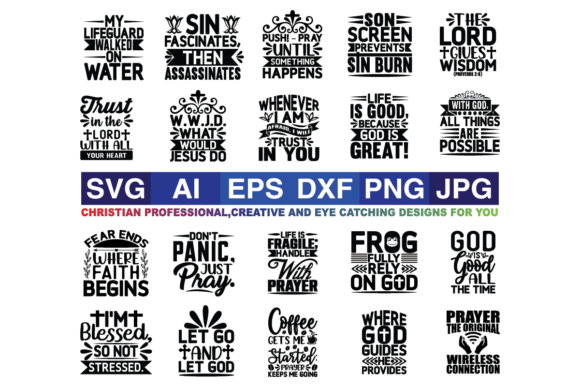
Christian Keychain Laser Cut Pattern Review
Evaluating the Commercial Viability of Faith-Based Digital Assets
As a digital product creator constantly scouting for assets that convert browsers into buyers, my first impression of this Christian Keychain Laser Cut Pattern was focused entirely on marketability. In the saturated niche of faith-based merchandise, finding a graphic design asset that balances spiritual sentiment with modern aesthetic appeal is challenging. This specific collection immediately struck me as having a clean, versatile visual personality. It avoids the overly ornate or dated styles that often plague religious clipart, leaning instead toward a contemporary elegance that appeals to both traditional church groups and younger, trend-conscious believers. For an Etsy seller or small business owner, this distinction is critical. The lines are crisp enough for precision laser cutting, yet the overall composition possesses a warmth that translates beautifully into printable designs and sublimation products.
When evaluating this set for a new seasonal collection, I looked beyond just the keychain application. While the primary function is clearly defined, the underlying vector geometry makes it a robust foundation for a wider commercial design strategy. The mood is uplifting without being aggressive, making it suitable for gift shops, baptismal keepsakes, and women’s ministry resources. From a business perspective, this asset feels premium rather than generic, which directly influences perceived value and allows for higher price points in digital download listings.
Beyond Keychains: Expanding the Product Ecosystem
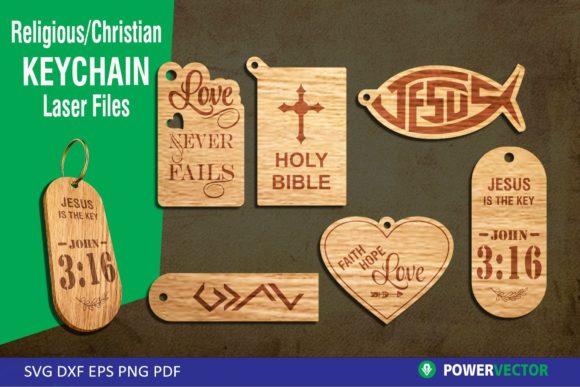
A common mistake new sellers make is limiting a laser cut file to its literal name. To maximize ROI on this Christian Keychain Laser Cut Pattern, I tested its adaptability across multiple product categories. This set of keychain laser files, including Christian SVG and CNC formats, is optimized for crafting projects using Glowforge, CNC routers, Silhouette Cameo, Cricut, ScanNCut, and similar machines. However, during my shop preparation phase, I repurposed these vectors for several non-laser applications.
- Printable Wall Art: By scaling up the SVG design and pairing it with a minimalist serif font, I created 8x10 nursery prints and office decor. The clean lines remained sharp at larger sizes, proving the vector quality is sufficient for high-resolution print-on-demand products.
- Sublimation Design: I converted the outline files into filled PNG designs for tumbler wraps and mug graphics. The simplicity of the pattern ensures it doesn't compete with background textures, making it ideal for layered sublimation projects.
- Digital Planning and Stickers: Scaled down, the intricate details held up surprisingly well for digital planner stickers. This opens up a completely different customer base on creative marketplaces who may never own a laser cutter but still want faith-themed digital organization tools.
- Social Media Graphics: Using elements of the pattern as border accents or watermark overlays in Canva templates helped create cohesive brand identity assets for church social media managers and Christian content creators.
This versatility transforms a single purchase into a multi-stream revenue source. Instead of selling just one physical keychain, you are effectively acquiring a design bundle capable of supporting t-shirt designs, greeting cards, invitation templates, and scrapbooking kits.
Optimizing Listing Images and Visual Hierarchy
In the digital marketplace, your product mockup is your storefront window. When preparing listing images for this asset, I found that the design’s inherent structure supports strong visual hierarchy. The negative space within the keychain patterns allows for easy integration of text overlays without cluttering the thumbnail. This is essential for click-through potential on platforms like Etsy where competition is fierce.
For effective product presentation, I recommend showcasing the asset in three distinct contexts. First, display a realistic render of the finished laser-cut item on a neutral wood or marble background to emphasize the handmade business aesthetic. Second, include a flat lay of the digital file interface to reassure customers of organized, user-friendly layers. Third, create a lifestyle mockup showing the design applied to a secondary product, such as a tote bag or greeting card, to suggest additional uses. This visual storytelling builds customer trust and demonstrates the commercial license value proposition immediately. Buyers need to see not just what the file is, but what their business can become with it.
Technical Considerations and Risk Mitigation
While the Christian Keychain Laser Cut Pattern is commercially promising, experienced sellers know that every asset has limitations. During my testing phase, I identified specific scenarios where caution is required. The most significant risk involves scaling. While excellent for keychains and standard prints, reducing these designs for tiny sticker details or intricate jewelry components resulted in some loss of fidelity on blade cutters like the Cricut Joy. Sellers targeting the miniature sticker niche should test cut weeding viability before listing.
Additionally, contrast management is vital. On dark backgrounds, fine internal lines can disappear in low-light photography or compressed thumbnails. Always preview your listing images at mobile size to ensure readability. If you plan to use this for t-shirt design or apparel, verify that the line weight is thick enough for screen printing or DTG; some laser-optimized vectors are too delicate for fabric ink deposition without modification.
File organization also impacts customer satisfaction and reviews. Before publishing, I reorganized the raw files into clearly labeled folders separating SVG, DXF, PNG, and AI formats. Confirming PNG transparency is non-negotiable; nothing generates support tickets faster than a white box around a supposedly transparent clipart illustration. Furthermore, always double-check the commercial license terms. Ensure you have the right to sell finished physical products versus digital derivatives, as this distinction protects your small business branding from future legal issues.
Strategic Pairing and Final Verdict
To elevate this graphic design asset from functional to bestseller status, typography pairing is key. During my shop setup, I tested various font combinations. A bold, modern sans-serif font creates a trendy, youthful vibe suitable for Gen Z buyers, while a flowing handwritten script adds a personal, artisanal touch perfect for wedding or baptism favors. Avoid overly decorative display fonts that compete with the intricacy of the laser cut lines; let the pattern breathe.
Ultimately, this Christian Keychain Laser Cut Pattern represents a solid investment for creative entrepreneurs. It bridges the gap between specialized manufacturing needs and broad digital application. Whether you are running a dedicated laser cutting shop, a print-on-demand store, or a digital template business, this asset offers the flexibility needed to scale inventory without increasing design overhead. By approaching it with a strategic mindset—testing across mediums, optimizing visual presentation, and respecting technical boundaries—you can integrate this collection into a profitable, professional-grade product lineup that resonates authentically with faith-based consumers.